 (Image via
You probably think of your car as one of your biggest assets. In reality, it is more like a leaky bucket of cash. Every mile you drive and every day it sits in the sun, it loses value. But here is the kicker: most of that loss is within your control. We are living in an era where the average car on the road is now 12.8 years old. People are holding onto their rides longer than ever. Although ownership costs have shifted lately, depreciation remains the absolute monster under the bed. It eats up an average of $4,334 every single year.¹ If you want to stop the bleeding, you have to stop treating your car like a disposable appliance.
Have you ever wondered why two identical cars can have a $5,000 price gap on the used market? It is rarely about luck. It is about the small, daily choices the owner made. From the way you hit speed bumps to the folders you keep in your glovebox, your habits are either building value or burning it.
Ignoring the Manufacturer’s Maintenance Schedule
There is a dangerous mentality among many drivers: if it isn't broken, don't fix it. This logic works for a toaster, but it is a death sentence for a modern engine. Your owner's manual isn't a suggestion. It is a survival guide.
When you skip a scheduled oil change, you aren't just saving fifty bucks. You are allowing microscopic metal shavings and carbon deposits to circulate through your engine. Eventually, this creates "sludge," a thick, tar-like substance that chokes your engine's internal components. Experts have noted that skipping even one oil change can result in a $500 deduction when you try to trade the car in. If you have a pattern of neglect, expect a buyer to knock $2,000 or more off the price.
The Myth of Lifetime Fluids
Have you seen those "lifetime" transmission fluid labels? Don't believe them for a second. Many manufacturers claim their fluids never need changing, but real-world data from 2026 shows these fluids often break down after 100,000 miles.
If you ignore your transmission or differential fluids, you are gambling with a $7,000 replacement bill. A simple flush every few years is cheap insurance. The same goes for your coolant. Over time, it becomes acidic. Once that happens, it starts eating your gaskets and water pump from the inside out.
The Severe Driving Trap
Most of us think we are "normal" drivers. We aren't. If you live in a city, deal with stop-and-go traffic, or experience extreme heat or cold, you are actually a "severe" driver. Most manuals have a separate, more frequent maintenance schedule for these conditions. If you follow the "normal" schedule while driving in a city like Chicago or Phoenix, you are neglecting your car by half.
The High Cost of Poor Driving Habits
Your car is a complex machine, not a bumper car. The way you interact with the pedals and steering wheel sends ripples through every mechanical system. Aggressive driving isn't just a safety issue; it is a financial one.
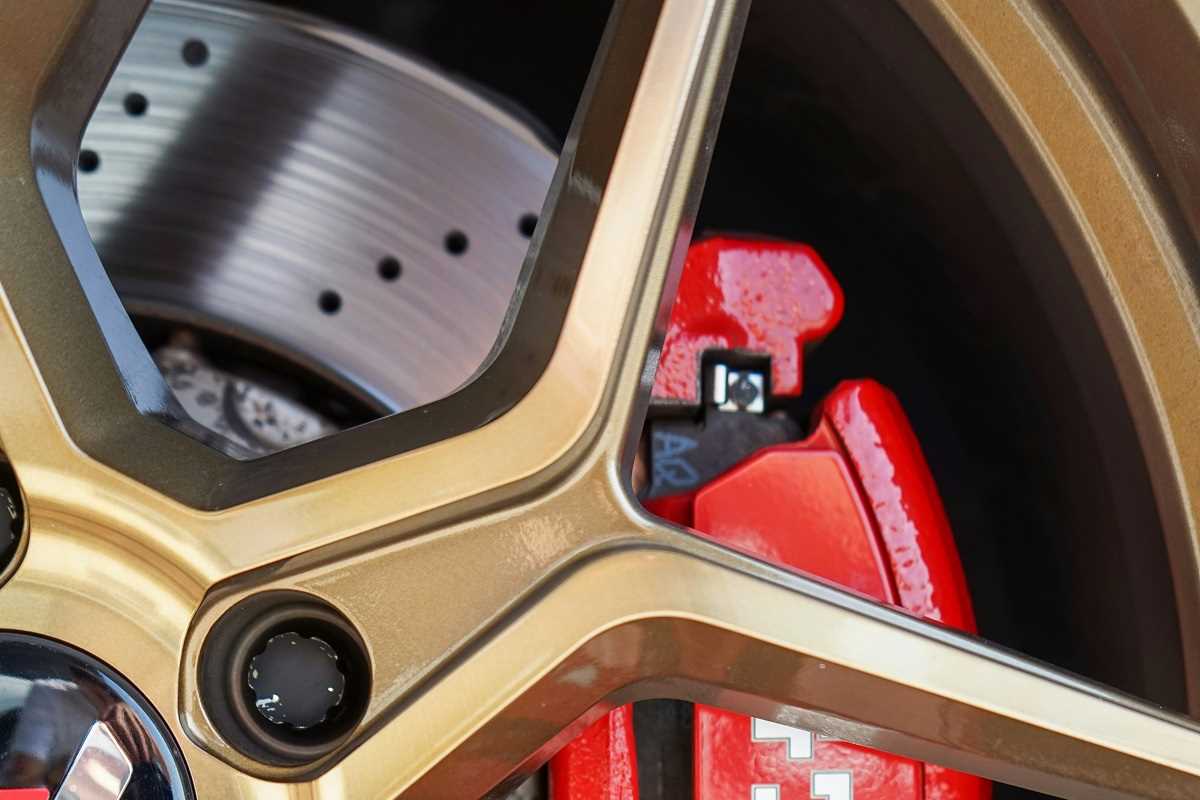
Think of hard braking and "jackrabbit" starts like a tax you are paying to the mechanic. When you floor it at every green light, you are putting immense torque through the transmission and axles. This wears down gears and seals prematurely. Hard braking does the same to your rotors, warping them over time and leading to that annoying vibration in your steering wheel.
Suspension and the Pothole Tax
Hitting a pothole or a speed bump at high speed is like giving your car's suspension a punch to the gut. It isn't just about the immediate "thud." Each impact weakens your struts, shocks, and control arm bushings.
Once your suspension starts to sag or leak, your tires will wear unevenly. You'll end up replacing a $1,000 set of tires every two years instead of every five. Plus, a clunking suspension is the first thing a savvy buyer will notice during a test drive. It screams, "I didn't take care of this."
The Cold Start Rev
We've all seen it: someone starts their car on a freezing morning and immediately revs the engine to "warm it up." This is the mechanical equivalent of waking someone up with an air horn and forcing them to run a marathon.
When your car has been sitting, the oil is at the bottom of the pan. It takes a few seconds for the pump to circulate that oil to the top of the engine. Revving it immediately means metal is rubbing against metal without lubrication. Just give it thirty seconds to settle before you put it in gear.
Neglecting Cosmetic Care and Exterior Protection
You shouldn't judge a book by its cover, but everyone judges a car by its paint. The exterior condition is the strongest indicator of how the rest of the car was treated. If the clear coat is peeling and the headlights are yellowed, a buyer will assume the engine is in similar shape.
Road salt is the silent killer here. If you live in a snowy climate and don't wash the underside of your car regularly, you are letting rust move in. By the time you see bubbles on the wheel arches, the damage is already done. It is a structural death sentence that can tank your resale value by 50% or more.
The Power of Detailing
It sounds trivial, but bird droppings and tree sap are actually chemical hazards for your paint. They are acidic and will eat through your clear coat in a matter of days if left in the sun.
Inside the cabin, the story is the same. UV rays turn leather into cardboard and plastic into a brittle mess. A professional detail every year might cost a few hundred dollars, but it can yield a 3x to 5x return when you sell. People buy with their eyes and their noses. If your car smells like old fast food and looks like it was washed with a wire brush, you've already lost the negotiation.
Ignoring Dashboard Warning Lights
That little yellow "Check Engine" light isn't a suggestion or a decoration. It is an early warning system designed to save you thousands of dollars.
A common mistake is ignoring a light because the car "still drives fine." This is how a $150 oxygen sensor issue turns into a $2,000 catalytic converter failure. When one component fails, it often forces other parts to work harder or run "rich," leading to a cascade of mechanical disasters.
Resale and the Scanned Truth
In 2026, every serious buyer or dealership is going to plug a diagnostic tool into your car's OBD-II port. Even if you reset the light right before they arrive, the computer stores "permanent codes" and "readiness monitors" that tell the truth. Unresolved warning lights can easily knock $2,000 to $5,000 off your car's value because they represent an unknown risk. No one wants to buy a mystery box of repairs.
The Short Trip Syndrome and Battery Health
Modern cars hate short trips. If your commute is only five minutes, your engine never reaches its best operating temperature. This leads to two major problems: moisture and oil dilution.
When an engine gets hot, it burns off the condensation that builds up inside the crankcase and exhaust system. If it never gets hot, that water stays there. It mixes with your oil, reducing its ability to lubricate, and it rots your exhaust pipe from the inside out. If you only drive short distances, make sure to take the car for a 20-minute highway "Italian tune-up" at least once a week.
The Modern Battery Crisis
In 2026, cars are more like rolling computers than mechanical devices. They have dozens of modules that stay "awake" even when the car is off. This puts a massive strain on the 12V battery.
If you own an Electric Vehicle (EV), don't think you are immune. EV owners often neglect the standard 12V battery that powers the electronics. If that small battery dies, the whole high-voltage system becomes inaccessible. For the big traction battery, avoid the habit of DC fast charging to 100% every single day. Frequent high-speed charging and extreme heat accelerate degradation. In the used EV market, the battery's "State of Health" is more important than the odometer. A degraded battery can slash your resale value by nearly half.
Modern Tech and the ADAS Blind Spot
One of the newest mistakes owners make involves Advanced Driver Assistance Systems (ADAS). These are the cameras and sensors that handle your lane-keep assist and emergency braking.
If you get a new windshield or a wheel alignment, these systems must be recalibrated. Shockingly, 88% of these calibrations are missed by independent shops.² This isn't just a safety risk; it's a value killer. Misaligned sensors increase your collision risk by 30%.³ When you go to sell, a malfunctioning safety system will disqualify your car from "Certified Pre-Owned" status, which is where the best resale prices live.
The Paper Trail and the Hidden Value of Clean Records
The "paper trail" is often as valuable as the mechanical parts themselves. If you can't prove you did the oil changes, a buyer has to assume you didn't do them. This "documentation multiplier" is real. Failing to keep records can lower your car's value by up to 20%.
Keep every receipt. Better yet, keep a logbook. It shows a level of pride in ownership that makes buyers feel safe. Even things like tires matter here. If you show up with four mismatched, cheap tires, it signals that you fixed problems as cheaply as possible. That alone can trigger a $1,500 deduction during an appraisal because it suggests you cut corners everywhere else, too.
Keeping Your Car for the Long Haul
At the end of the day, car maintenance is about discipline. It is about realizing that the $150 you spend today on a fluid flush is preventing a $5,000 bill three years from now.
Treat your car like a partner, not a servant. Listen to the sounds it makes, watch the dashboard, and don't skimp on the documentation. If you follow the "severe" maintenance schedule and keep the salt off the paint, you'll find that your car stays on the road much longer than the average. And when it finally comes time to say goodbye, you'll be the one walking away with the biggest check.
Sources:
1. aaa.com
https://newsroom.aaa.com/2025/09/aaa-new-vehicle-costs-drop-to-11577/
2. whatisrecal.com
https://whatisrecal.com/adas-used-car-calibration-resale-value/
3. adasdepot.com
https://adasdepot.com/blog/the-true-cost-of-missed-adas-calibrations-what-every-shop-needs-to-know/
This article on joysos.com is for informational and educational purposes only. Readers are encouraged to consult qualified professionals and verify details with official sources before making decisions. This content does not constitute professional advice.